Performing Realness: The Complicated Truth About Authenticity in the Creator Economy
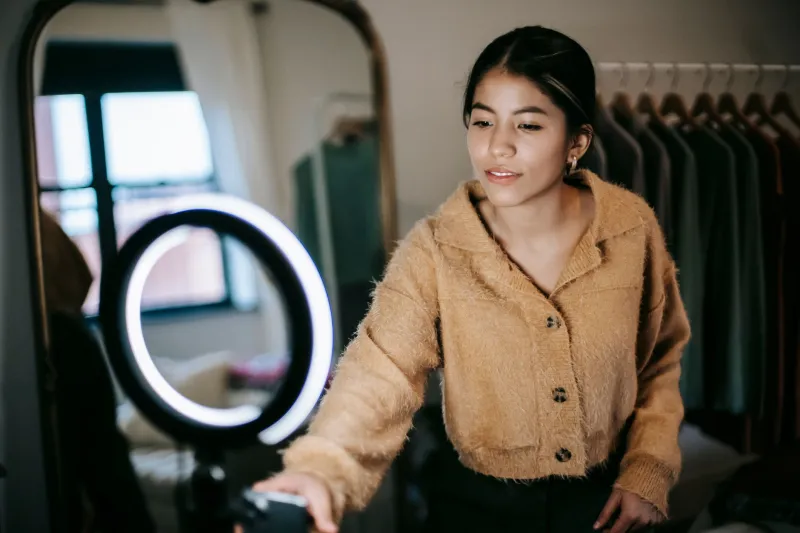
There's a phrase that gets thrown around so casually in creator spaces that it's basically lost all meaning: be authentic. Coaches say it. Brand deals require it. Comment sections demand it. And yet, the more you look at what 'authentic' actually means on the internet, the more it starts to look like a very carefully constructed performance.
Which raises a question worth sitting with: if you're curating your vulnerability, is it still real?
The Paradox Nobody Talks About
Here's the thing about the most 'relatable' creators you follow — they are working. Hard. The messy apartment shot was probably taken three times to get the lighting right. The 'raw' caption about struggling with self-doubt was likely rewritten twice before posting. The crying video? Timed for a Tuesday at 6pm EST because that's when engagement peaks.
None of that makes those creators frauds. But it does complicate the story we tell ourselves about what authenticity online actually is.
Psychologists have a term for this: impression management. It's the totally human process of controlling how others perceive you based on context. We do it at job interviews, on first dates, at Thanksgiving dinner. Online, we just do it at scale — and with analytics.
The uncomfortable truth is that your 'real self' has always been a moving target. You're different with your college friends than you are with your mom. You're different in a job interview than you are at brunch. What we call authenticity is really just contextual self-presentation — and online creators have simply gotten very, very good at choosing which context to broadcast.
Why Audiences Are Wired for Relatability
So why do we crave this stuff so badly? Why does a creator saying 'I cried in my car today' hit different than a polished brand campaign?
Because our brains are literally built for it. Mirror neurons — the neural circuits that fire when we observe someone else's emotional experience — are deeply activated by perceived vulnerability. When someone online shares something that feels real, something imperfect and human, our nervous systems respond as if we're sharing that moment with a friend.
Brands figured this out a while ago. That's why Super Bowl ads now make you cry about your dad, and why corporations post about 'mental health awareness' on Instagram. Relatability isn't just a vibe — it's a conversion strategy.
For individual creators, the stakes are even higher because the product is the person. Your audience isn't buying a widget; they're buying a relationship with a version of you. And that version needs to feel true enough to hold their trust, while still being intentional enough to serve your larger creative vision.
The Sweet Spot (And How to Find It)
So how do you navigate this without feeling like you're either selling out or lying to your audience?
First, it helps to reframe the goal. Instead of asking how do I be more authentic, ask what parts of me are genuinely useful to share? Authenticity isn't about total disclosure — it's about relevant truth. A therapist doesn't share every personal struggle with their clients. A musician doesn't perform every half-finished song. Curation isn't deception; it's craft.
Second, know the difference between vulnerability that serves your audience and vulnerability that serves your ego. Sharing that you failed at something, struggled with an idea, or had to pivot a project? That's useful. It builds trust and shows your audience that the creative life is messy for everyone. Sharing every emotional spiral in real time because it feels cathartic? That's processing in public — which is fine, but it's different, and your audience can usually tell.
Third — and this is the one people resist the most — get comfortable with the idea that your brand is a character. Not a fake character. A curated one. Think of it like a highlights reel of your actual self: the parts that are genuinely yours, intentionally spotlit. Lizzo's joy is real. Emma Chamberlain's awkwardness is real. But both of them understand which parts of their realness resonate, and they lean into those parts on purpose.
Where Integrity Lives in All of This
Here's where I think the line actually is: integrity breaks down when you perform values you don't hold, promote products you don't believe in, or manufacture crises for engagement. That's not curation — that's manipulation, and audiences eventually feel the difference even if they can't articulate it.
But building a persona around the truest, most interesting parts of yourself? Deciding which struggles to share because they'll genuinely connect with someone scrolling at midnight feeling alone? That's not a lie. That's storytelling. And storytelling has always been how humans make meaning — online or otherwise.
The authenticity trap isn't that creators are fake. It's that we've been sold the idea that being real means being unfiltered, when actually the most powerful thing you can do is be intentionally real. Know yourself well enough to know which parts of you matter to share, and share those parts with care.
Your audience doesn't need all of you. They need the parts of you that help them feel less alone in their own lives. Give them that, honestly, and you'll never have to fake a thing.